





North Carolina Construction Outlook: What to Expect in 2026
As January 2026 begins, North Carolina's construction industry heads into the new year with a mix of steady growth and ongoing challenges. The state continues to rank high nationally for construction activity, driven by infrastructure needs, industrial expansion, and population growth. But rising costs, labor gaps, and economic uncertainties are shaping how projects move forward. This article looks at the key trends for 2026 and what they mean for commercial builders across the state.
Infrastructure and Institutional Projects Lead Growth
Public-sector work remains a strong foundation, with funding flowing into power transmission, data centers, water utilities, and transportation. Forecasts show these areas leading expansion in 2026, supported by state priorities and remaining federal dollars. In the Triad and Charlotte regions, expect more bids for road upgrades, utility improvements, and community facilities. This stability helps balance slower private segments like office and retail.
Material Costs and Budget Pressures
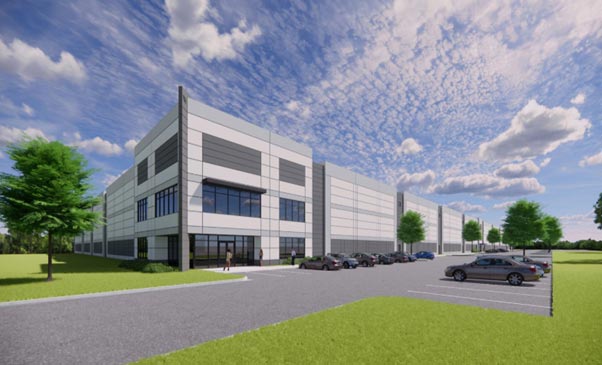
Costs for steel, lumber, and other essentials are projected to rise modestly—around 3-5%—due to lingering supply issues and trade policies. Builders are recommending 10-15% buffers in bids to cover fluctuations. Prefabrication and modular methods are gaining ground, especially for industrial and warehouse projects, cutting on-site time and expenses. In North Carolina's logistics corridors, this approach is helping keep timelines realistic.
Labor Shortages Continue
The workforce gap is a persistent issue, with thousands of open positions statewide. Skilled trades remain hard to fill, and competition for talent pushes wages higher. Apprenticeships at community colleges and tech tools like drones and AI scheduling are easing some pressure. Contractors focusing on training, diversity hiring, and better benefits are finding ways to build reliable teams. State efforts to boost vocational programs could add workers by mid-decade, but 2026 will still require creative solutions.
Private Commercial Trends
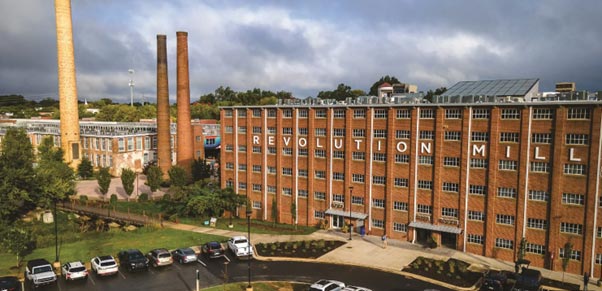
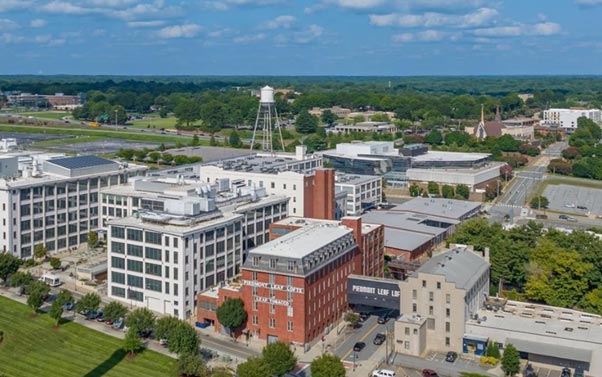
Private work shows mixed signals: strong in healthcare, data centers, and manufacturing, but cautious in offices due to hybrid patterns. Adaptive reuse—turning warehouses into flexible spaces—is on the rise in urban areas like Greensboro and Winston-Salem. Industrial projects tied to reshoring keep momentum in the Triad, while retail and hospitality see selective growth.
Outlook for the Year
North Carolina's construction market in 2026 looks cautiously positive, with public and industrial sectors providing balance. Overall spending growth is modest, but opportunities exist for builders who adapt to costs, labor needs, and tech. For commercial contractors, early planning and strong partnerships will be key to success.
Cirrus Construction is ready to support commercial projects across North Carolina. Contact us to discuss your plans for 2026.